»RE BUILD!« – IBA’27 unveils its concept for the 2027 exhibition year
Press Release
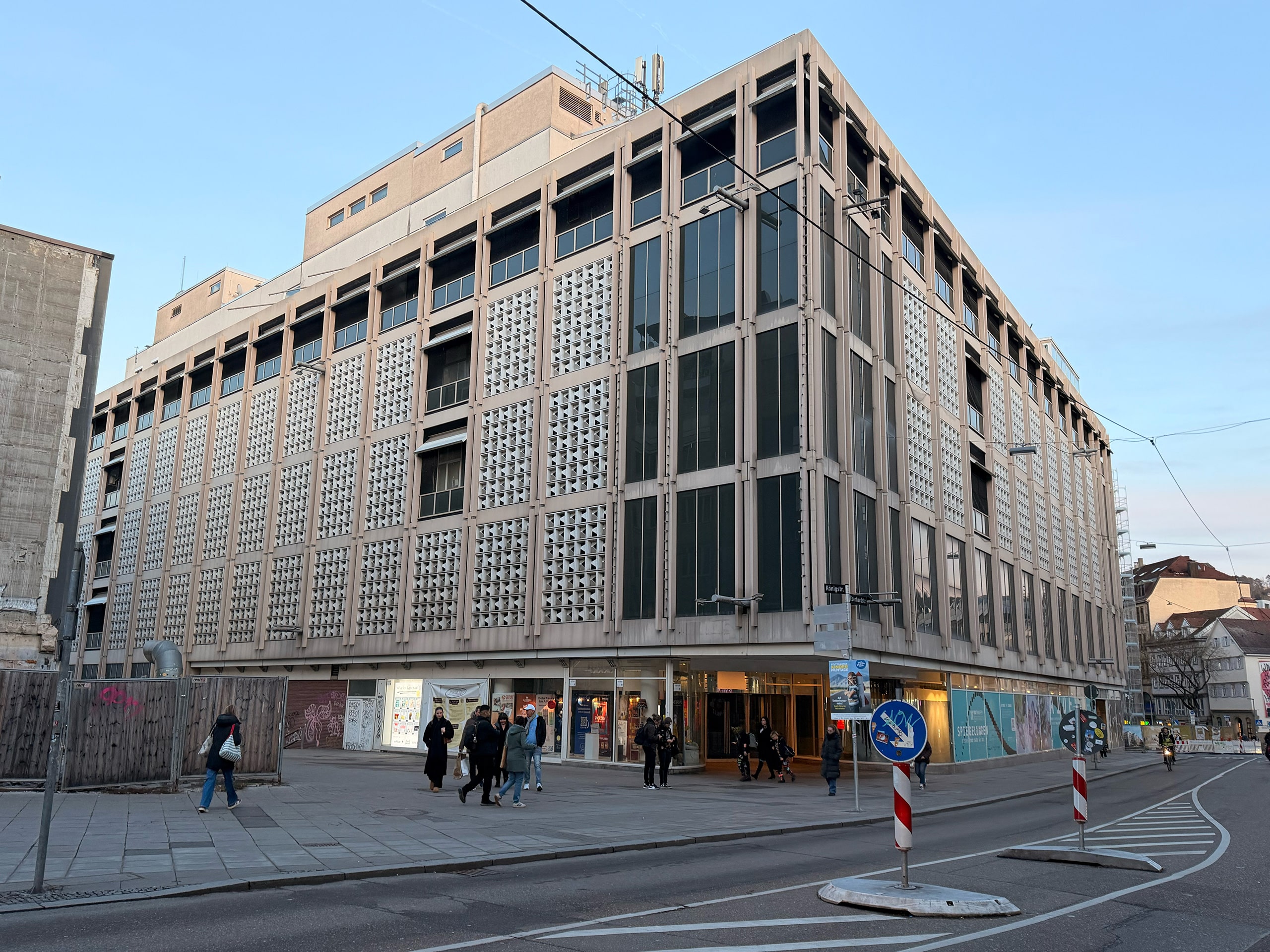
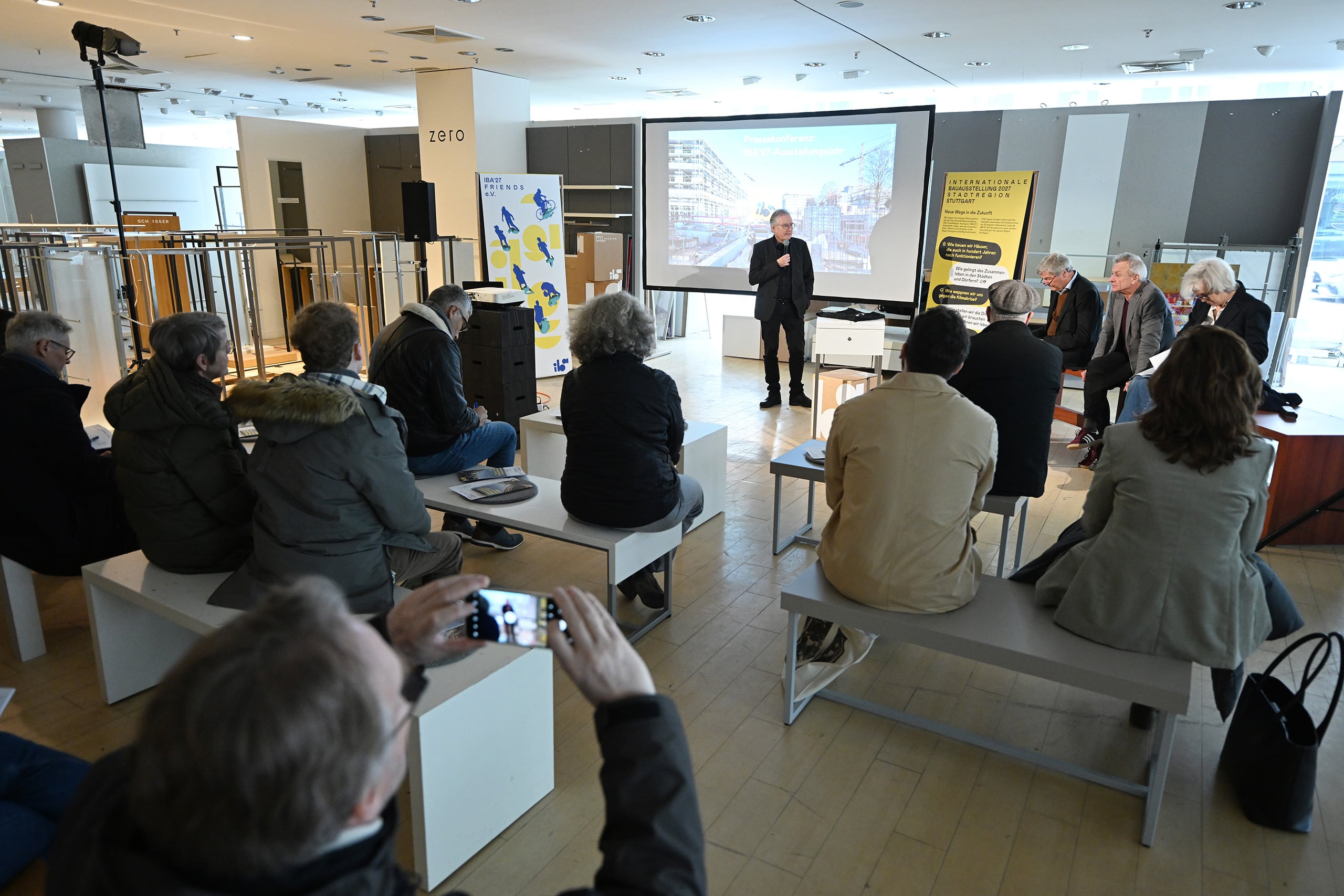
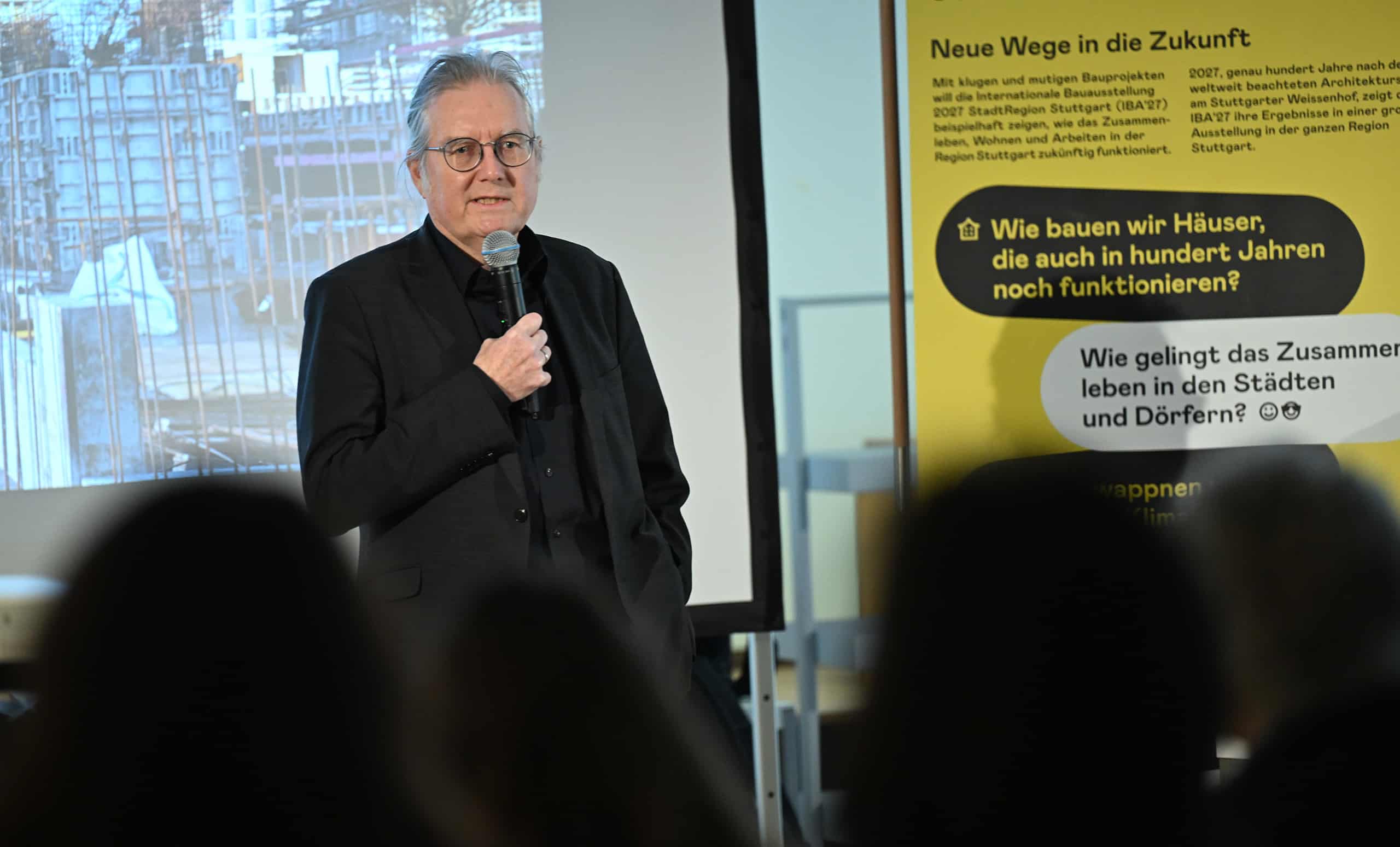
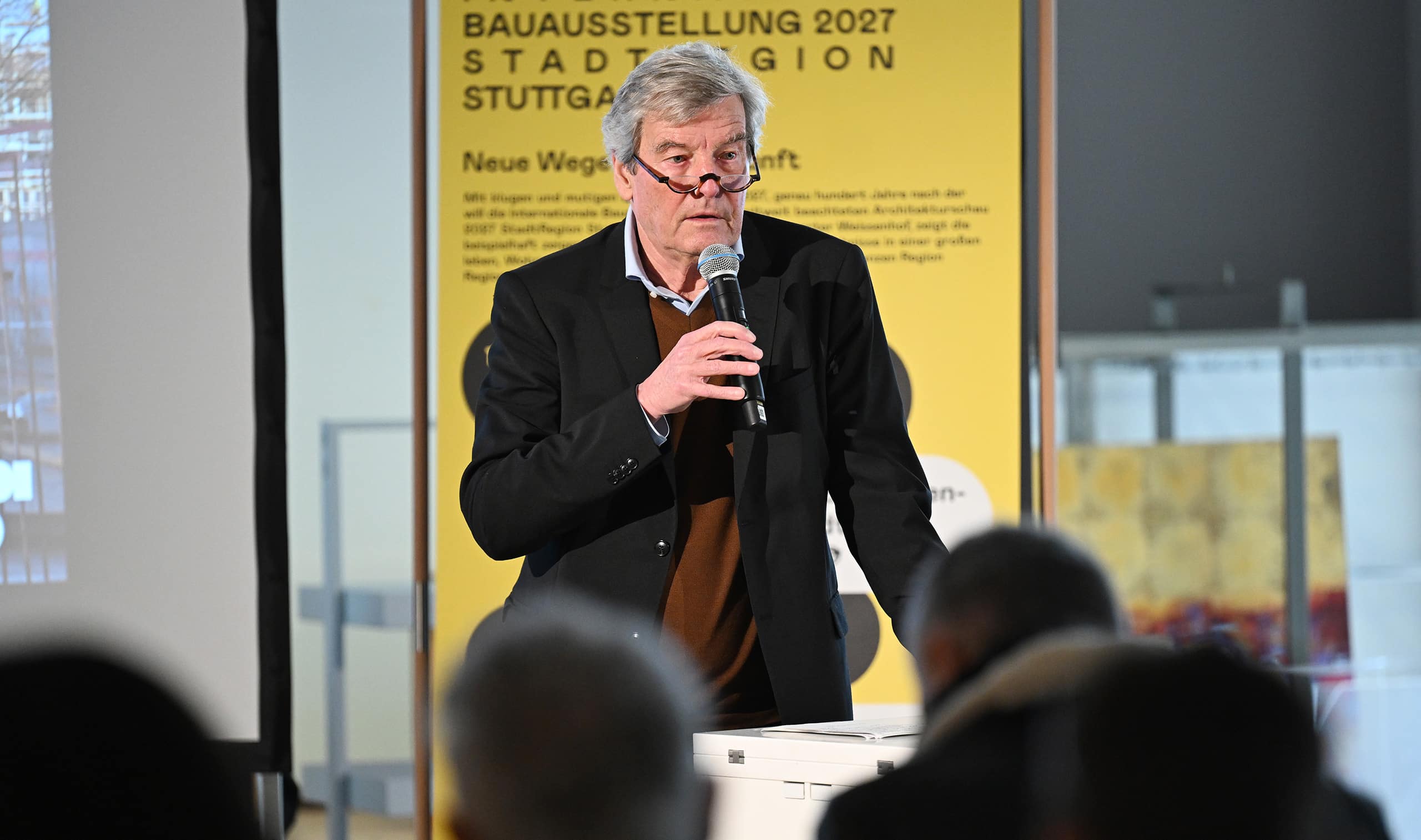
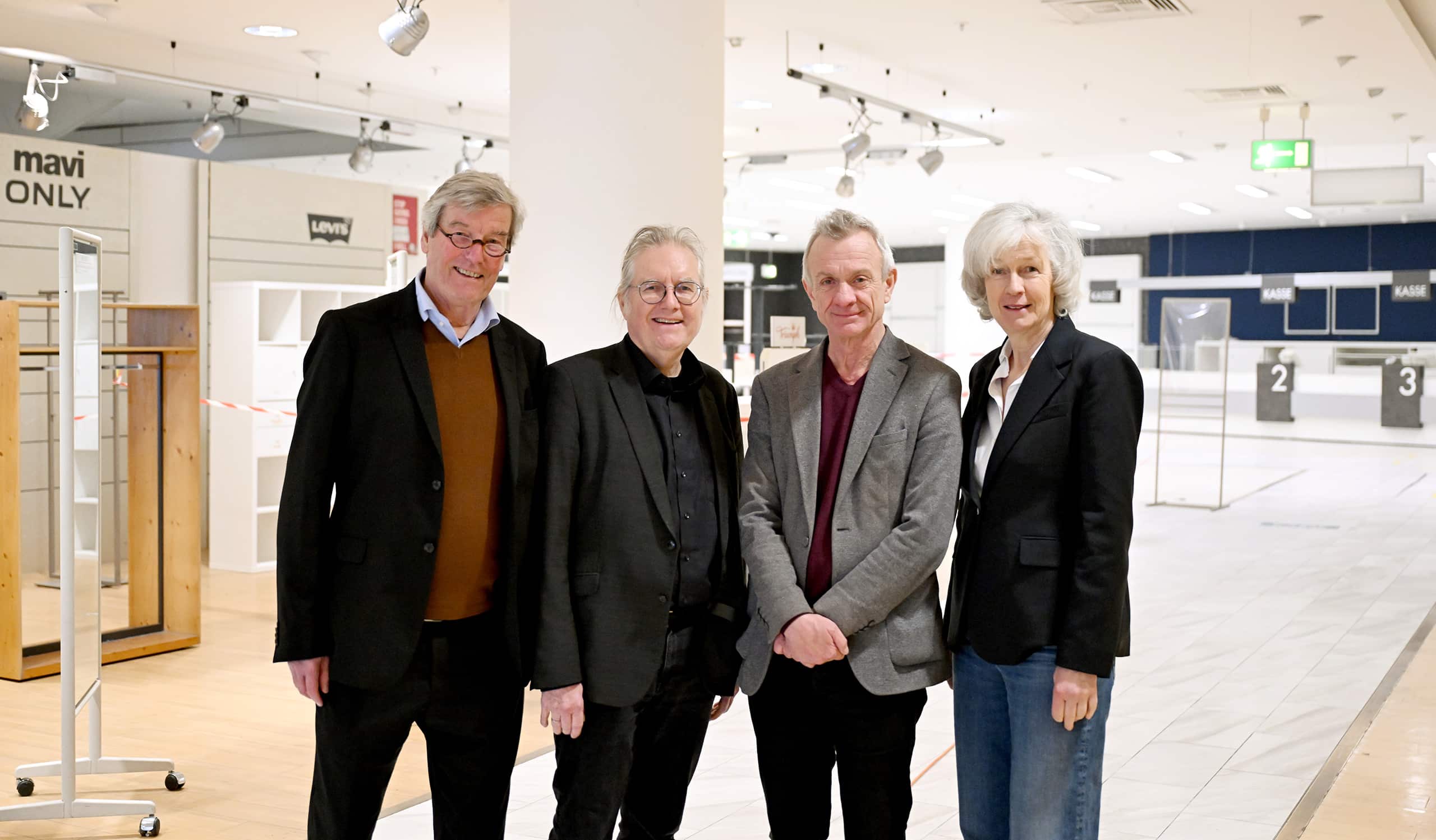
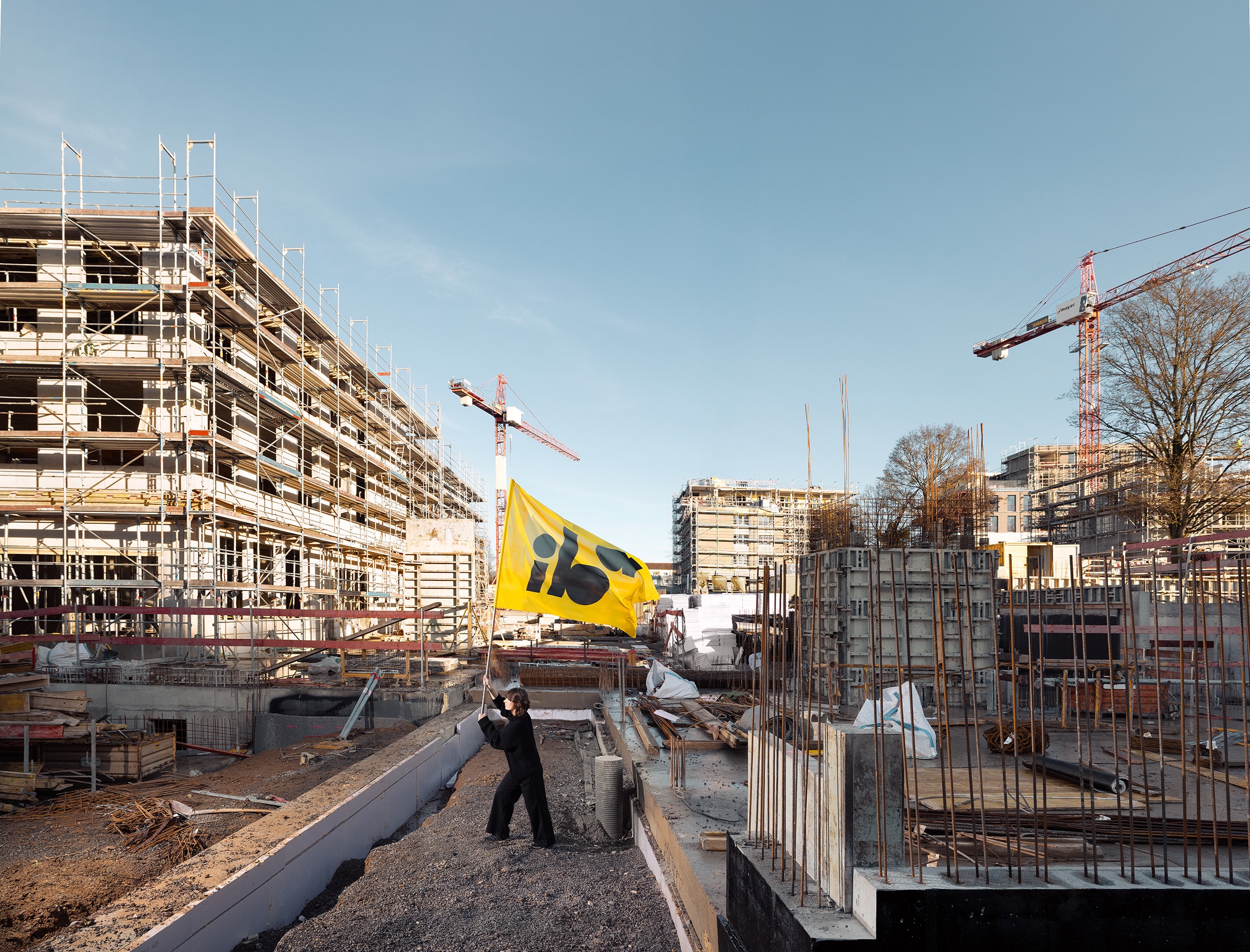
The International Building Exhibition 2027 StadtRegion Stuttgart (IBA’27) unveiled the concept for its exhibition year at a press conference held in a former department store. Under the title »RE BUILD!«, the entire region will become an exhibition space from 24 April to 30 October 2027. The focus will be on sustainable building projects, ranging from individual buildings to large neighbourhoods. Many will be completed by 2027, whilst others can be experienced as building sites or areas under development.
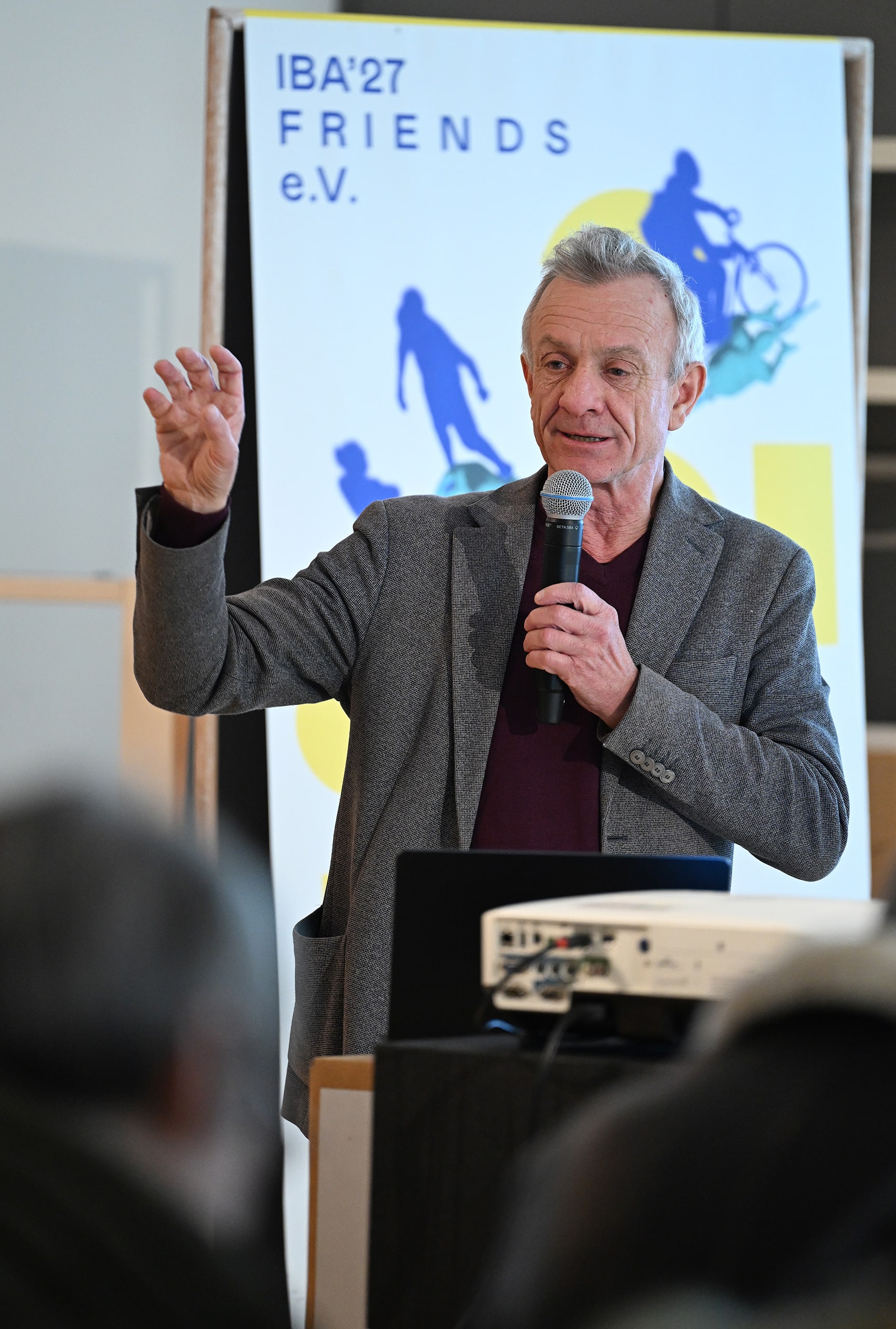
For eight years, IBA’27 has supported the architectural development of the Stuttgart region through numerous projects. »It has become very clear how essential a fresh perspective on architecture, construction technology and the city is in order to meet the challenges of the future,« says IBA’27 Director Andreas Hofer. »At the same time, we have all witnessed in recent years how crises shake our certainties and how profoundly such upheavals shape the construction industry.« In 2027, the IBA will now present the results of its work – exactly 100 years after the construction of the Weissenhofsiedlung. »The Weissenhof gives us the opportunity to look back critically on a century of upheaval,« says Hofer of the exhibition concept. »At selected project sites in Stuttgart and the surrounding region, we are looking to the future and bringing new forms of sustainable neighbourhood development to life.« An interactive exhibition in the former Kaufhof department store on Eberhardstraße in Stuttgart provides a comprehensive overview: »Here we are showcasing plans for new neighbourhoods that blend housing, education, leisure and work, and which are ready for the mobility of the future,« says Hofer.
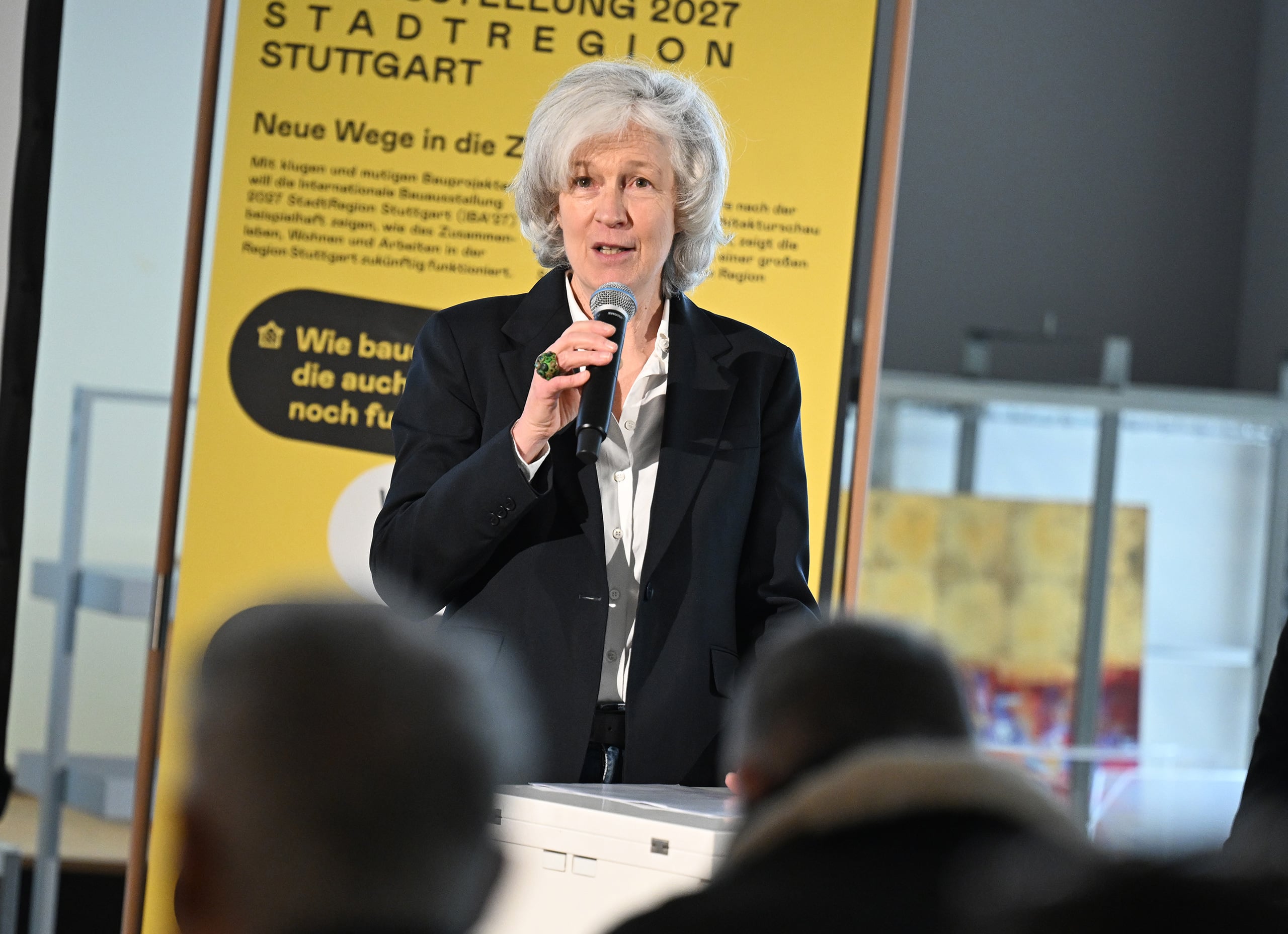
The exhibition is aimed at a wide audience. »We all live and move around in urban spaces. How can we shape the way we live together? We want to reach as many people as possible with this question,« says Dr Gabriele König. The cultural manager has been a member of the IBA’27 management team for a year and is contributing her experience in the cultural and exhibition sectors to the development of the exhibition year.
The IBA exhibition year also plays an important role for the state capital, Stuttgart. »A central exhibition venue is being created in the Galeria Kaufhof building right in the heart of the city,« says Peter Pätzold, Stuttgart’s Councillor for Urban Development, Housing and the Environment. »This will make the building exhibition visible and accessible to many Stuttgart residents.«
The exhibition year also serves as a launchpad for the period that follows. »IBA’27 has brought many people together in the Stuttgart region and initiated important developments. This should continue to have a broad impact,« says Thomas S. Bopp, Chairman of the Supervisory Board of IBA’27 and former Regional President. »The exhibition year is therefore not a conclusion, but a springboard into the region’s future.«
Weissenhof and the department store as starting points
With the centenary of the Weissenhof Estate, IBA’27 is marking a historic moment in architectural history: exactly one hundred years ago, the architectural avant-garde was given a platform here that went on to shape housing construction far beyond Germany’s borders. To mark this anniversary, the City of Stuttgart is building the new Weissenhof.Forum visitor and information centre at the entrance to the estate as part of the IBA’27 project. With a permanent exhibition, lecture rooms and a café, the Forum – run by the Friends of the Weissenhofsiedlung – provides the much-needed infrastructure for the popular estate – and, with its pioneering architecture by Barkow Leibinger, makes a striking statement in its own right.
In 2027, the IBA will present its critical examination of the estate and its surroundings, as well as the resulting buildings and projects. »What can we learn from the Weissenhof – and what must we demand for housing construction over the next hundred years?« explains Hofer. The housing estate itself is also undergoing a careful refurbishment. With the conversion of the Brenzkirche in the immediate vicinity, »a long-neglected monument of modernism is finding a friendly and welcoming future«, says the IBA’27 director.
In the central exhibition at the former »Galeria« department store on Stuttgart’s Eberhardstraße, IBA’27 presents the results of its work, invites guests to explore and discuss, and uses selected IBA projects to provide answers to key questions: What kind of housing do we need in the future? What potential lies dormant in underused and derelict industrial estates? How can the region adapt to the climate crisis – and how can different social groups and initiatives contribute to the necessary change?
For one summer, the vacant department store will be transformed into a space for dialogue and exchange, thereby also inspiring ideas for its conversion and new use. The design by the scenography firm Holzer Kobler Architekturen from Zurich/Berlin recently won over the IBA’27 jury for the central exhibition. The firm will work with the IBA team to translate the content into a spatial experience.
The department store building belongs to the state capital Stuttgart, which is making it available to the IBA for the exhibition year. »With the Weissenhof.Forum, one of the most important projects of IBA’27 is located right next to the internationally renowned Weissenhofsiedlung. In the former Galeria Kaufhof building, another central exhibition venue is being created right in the heart of the city,« says Mayor Peter Pätzold. »This ensures that the themes of the IBA reach a very wide audience. The International Building Exhibition 2027 is intended to be visible and tangible for all the people of Stuttgart.«
Vibrant neighbourhoods in Stuttgart-Rot
In 2027, the Weissenhof and the central exhibition in the former department store will be the first port of call for many visitors – and at the same time the starting points for numerous other exhibition and project venues in Stuttgart and the surrounding region. This includes Stuttgart-Rot: here, the IBA’27 projects ›Quartier am Rotweg‹ and ›Böckinger Straß‹ demonstrate how existing housing estates can be further developed – with new forms of housing, well-designed public spaces and communal areas.
The two neighbourhood developments, comprising a total of more than 600 new flats, will be completed in 2027 and will be showcased on site. A tour of the neighbourhood also offers insights into recent architectural and urban history. Stuttgart-Rot was the city’s first post-war housing estate and, at the time, the largest housing project in the young Federal Republic. Hans Scharoun, an architect from the Weissenhof, built the Romeo and Julia high-rises here in the 1950s. Within walking distance lies the city of Stuttgart’s mobile indoor swimming pool made of wooden modules, ›Aquabox‹ – which has recently also become an IBA’27 project.
Wendlingen: From factory to vibrant neighbourhood
Wendlingen am Neckar is set to become another key venue for the exhibition year. Right next to the station, the already much-acclaimed timber car park welcomes guests to IBA’27. According to Hofer, it is »not only a showcase for modern timber construction, but also demonstrates on many levels how carefully designed and innovatively conceived infrastructure buildings can serve as building blocks on the path to the future.«
On the site of the former Neckarspinnerei, a vibrant neighbourhood is gradually taking shape, where working and living are once again coming closer together. Historic industrial buildings are being renovated, new uses are moving in, and spacious green spaces are creating a pleasant environment along the Neckar. By 2027, a large part of the existing stock, some of which is listed, will have been converted and occupied.
Experience building research in Stuttgart-Vaihingen
Since the 1970s, the University of Stuttgart’s Vaihingen campus has served as a site for demonstrations and trials in structural engineering and architecture. With the IBA’27 project ›IntCDC Building‹, a research building for the University of Stuttgart is now being constructed here, in which many findings from 20 years of building research are being translated into a permanent structure. During the exhibition year, the building will be under construction – serving as a hands-on building site for a new, digitally driven approach to construction.
Added to this is the IBA’27 project ›Adaptive Demonstrator High-Rise‹: on the test tower, which is already in operation, facades and structures are being tested that can adapt themselves to various environmental conditions. For IBA’27, the campus – much like Stuttgart-Rot – is a walk-in monument to German post-war history. Together with the University Building Authority and various institutes, IBA’27 is developing a concept to present building research and architectural history, as well as the exploration of materials and new construction techniques, on the campus.
Around 40 project sites open to visitors across the region
Across the Stuttgart region, visitors can explore around 40 further project sites – buildings, neighbourhoods and places undergoing transformation. These include, for example, the Hangweide neighbourhood development in Kernen im Remstal: an ›urban village‹ for around 1,200 people is being created here. The first buildings will be open to visitors in 2027. On Weimarstraße in Stuttgart, the State Agency for Property and Construction is building a residential block with multi-purpose spaces to designs by Florian Nagler Architects – a spectacular timber construction site during the exhibition year. And in the cooperative neighbourhood project ›Zukunft Münster 2050‹ in Stuttgart, the first phase of construction, comprising 55 flats, will be open to visitors.
New communal housing projects are also emerging elsewhere: in Schorndorf, a housing cooperative has been established to realise its vision of an ecological and community-based way of living. The ›ZusammenLeben im Blütengarten‹ project in Backnang features apartment blocks built using a timber-straw construction method, combining compact private living spaces with generous areas for communal living. Projects involving the transformation of existing buildings will also be on display: in the west of Stuttgart, for example, the education company Klett is carefully reorganising its complex portfolio of buildings and making the inner-city location fit for the future. Already completed is the ›ZERO.‹ office building in Stuttgart-Möhringen, which was assembled from almost 300 prefabricated timber modules and features a significantly streamlined building services concept.
Experience IBA’27
Key exhibition venues such as the Weissenhof, the department store in Stuttgart city centre, Stuttgart-Rot, the Vaihingen University Campus and Wendlingen will provide exhibition spaces and facilities for visitors throughout the exhibition period from April to October. Many other projects in the region are marked as IBA’27 visitor sites and can be visited independently. Guided tours and events take place here. Together with local project partners, a rich programme of visits and events is being developed.
Anyone wishing to explore the future of the Stuttgart region, gain an insight into the work of IBA’27, or looking for great ideas for day trips in the region will find a packed programme of guided tours, talks, workshops, further exhibitions, cultural events and festivals from April to October 2027. »IBA’27 aims to offer something for everyone,« says IBA Managing Director Dr Gabriele König. »We want to spark curiosity about the sites of the building exhibition and show how our region is changing – not just for experts, but for everyone interested in the future of their city, their region and their neighbourhood. This explicitly includes young visitors: they are the ones who will live and work in the homes and neighbourhoods of the future.«
For the exhibition year, the IBA is collaborating with a wide range of partners – from large and small cultural institutions to stakeholders in tourism and transport such as Stuttgart-Marketing GmbH, the VVS and the SSB. »We owe the fact that we are able to realise the exhibition year in this form to a vast network of people and institutions,« said Dr König. »The generous support of our shareholders and the state, who are providing us with significant additional funding, is also crucial. It is this support that makes it possible to make IBA’27 accessible to a wide audience and to draw attention to Stuttgart far beyond the region. Given tight public budgets, this is by no means a given – which makes us all the more grateful for this support.«
Carrying the IBA’27 into the future
The International Building Exhibition will reach its climax in 2027 – yet this year also marks a transition. Many IBA’27 projects will continue to be developed beyond this year, new partnerships are emerging, and the experiences gained from the ten-year process are to be documented and have a lasting impact on the region. »IBA’27 has brought many people together in the Stuttgart region and initiated important developments,« says Thomas S. Bopp, Chairman of the Supervisory Board of IBA’27 GmbH and former Regional President. »When we launched the Building Exhibition in 2016, we were still talking about forward-looking structural change. Today, we are in the midst of this transformation. This makes it all the more important that the ideas and collaborations of the IBA continue to have an impact beyond the exhibition year.«